
Tupanjac subsoilers are available in multiple configurations, depending on farm requirements and tractor power. The range includes models with 3, 5, 7 and 9 working elements, allowing optimal selection based on desired working depth, soil type, and field size.
Regardless of the number of working elements, all Tupanjac subsoilers maintain the same level of robustness, precision, and reliability, delivering efficient deep cultivation and long service life under real working conditions.
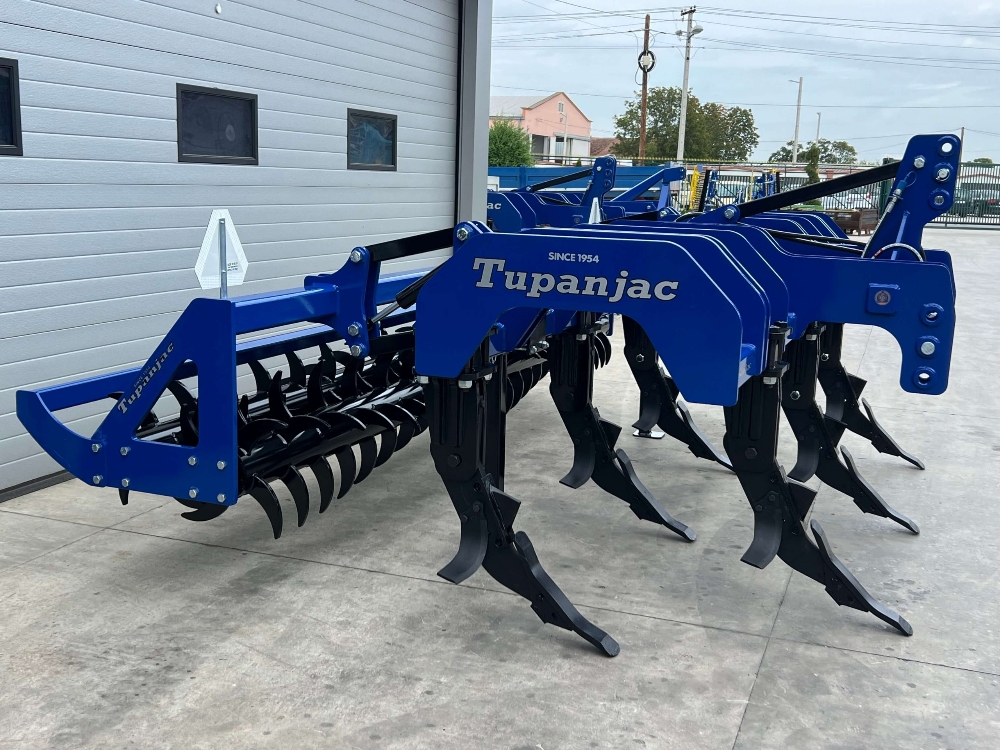
Over years of cultivation, the use of heavy machinery and repeated field operations lead to soil compaction. This process creates a compacted layer known as the plough pan, which represents a serious barrier to normal root development.
The plough pan restricts root penetration into deeper soil layers, reduces availability of water, air and nutrients, and can ultimately lead to weaker plant growth and reduced yields.
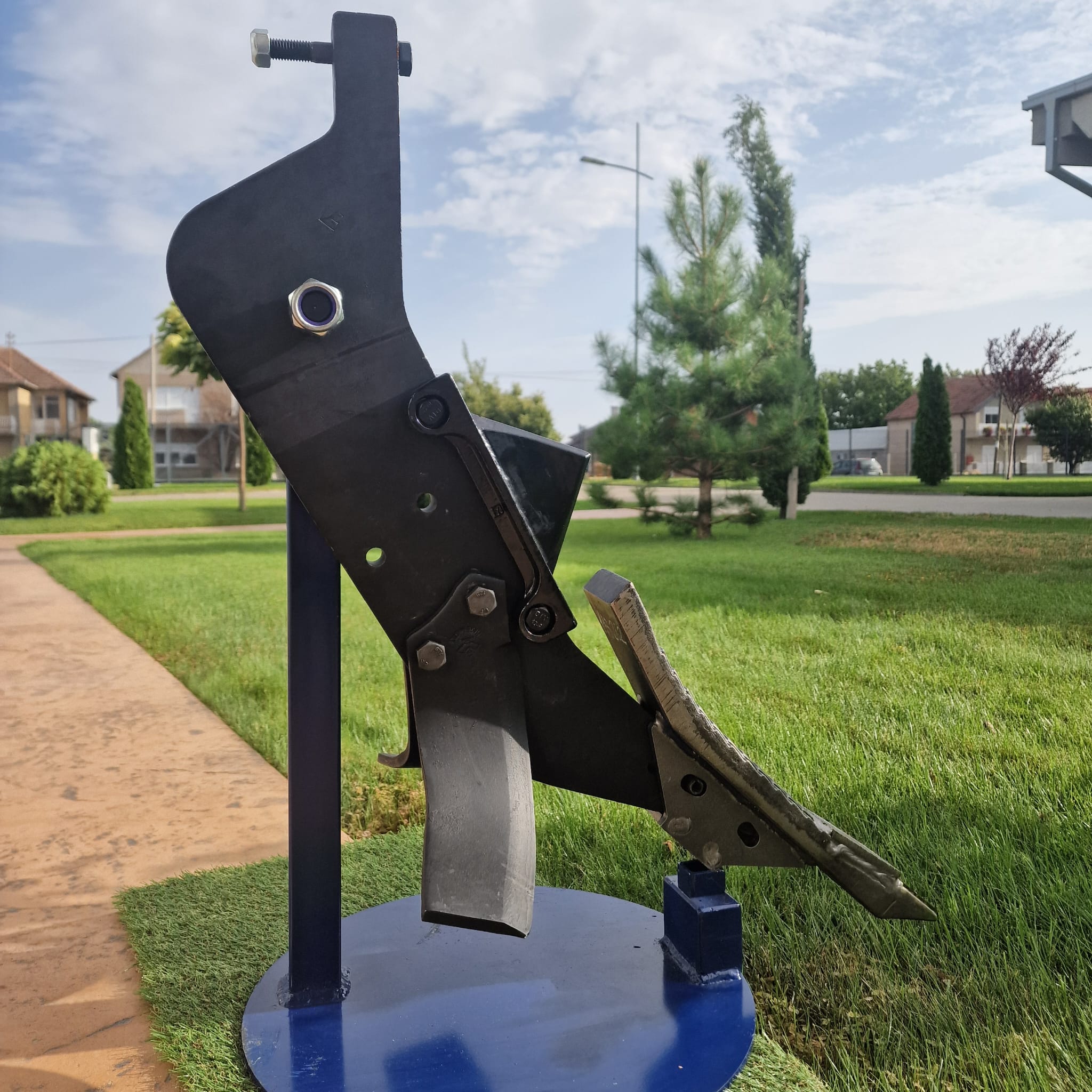
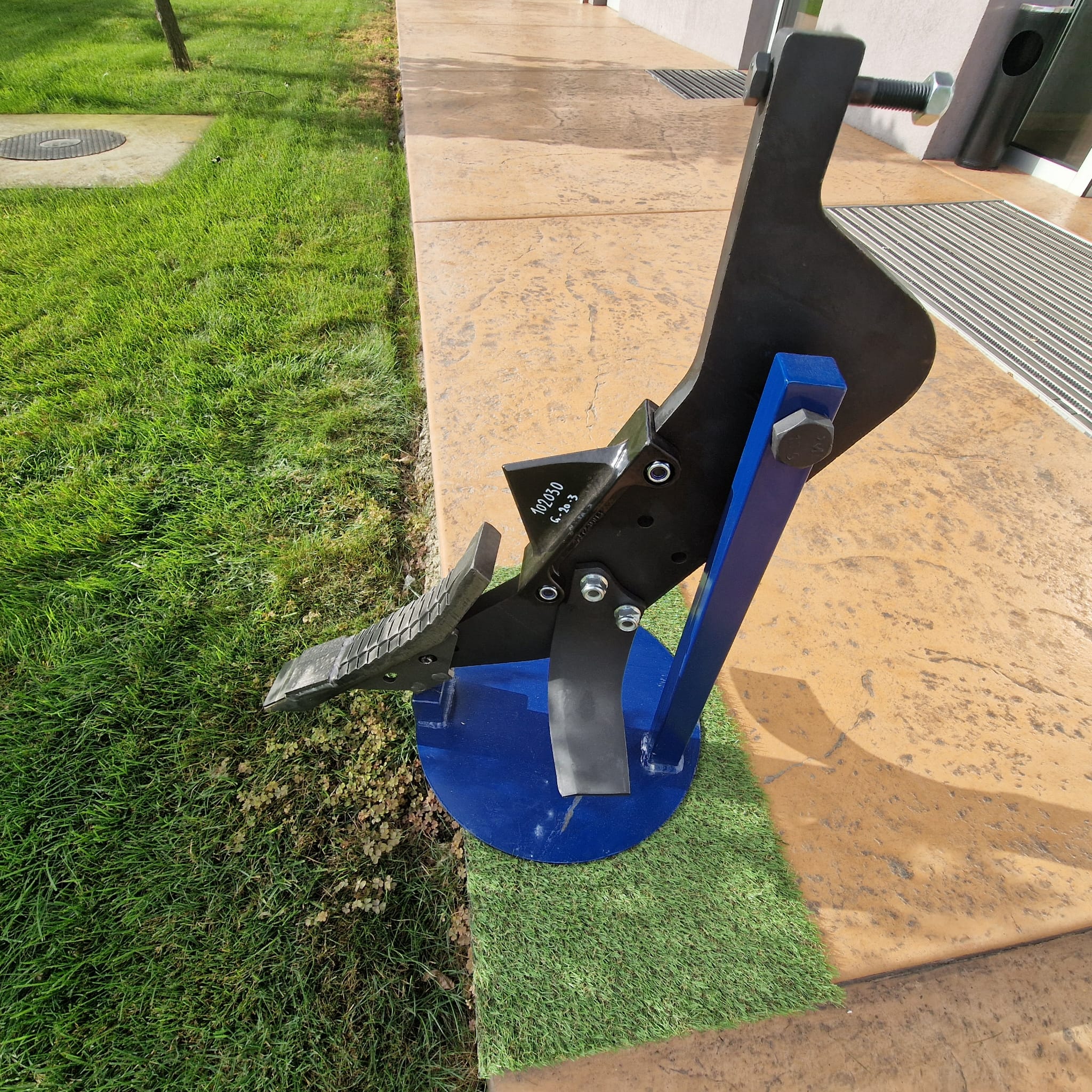
Subsoiling breaks the compacted layer without turning the soil, making it a key operation for preserving soil fertility and structure. This restores natural soil looseness and improves water and air permeability.
It directly contributes to deeper and stronger root development, enhanced microbial activity, and more efficient nutrient utilization.
After subsoiling, the soil has a better ability to retain and regulate water, allowing crops to better withstand drought and extreme weather conditions.
At the same time, the overall structure and leveling of the cultivated layer are improved, creating optimal conditions for subsequent field operations.
The core of every subsoiler consists of symmetrically arranged working elements with proper spacing to ensure uniform performance and machine stability during deep soil cultivation.
The number of working elements varies depending on the model, tractor power, and intended use, while the tips differ in shape and material to adapt to various soil types.
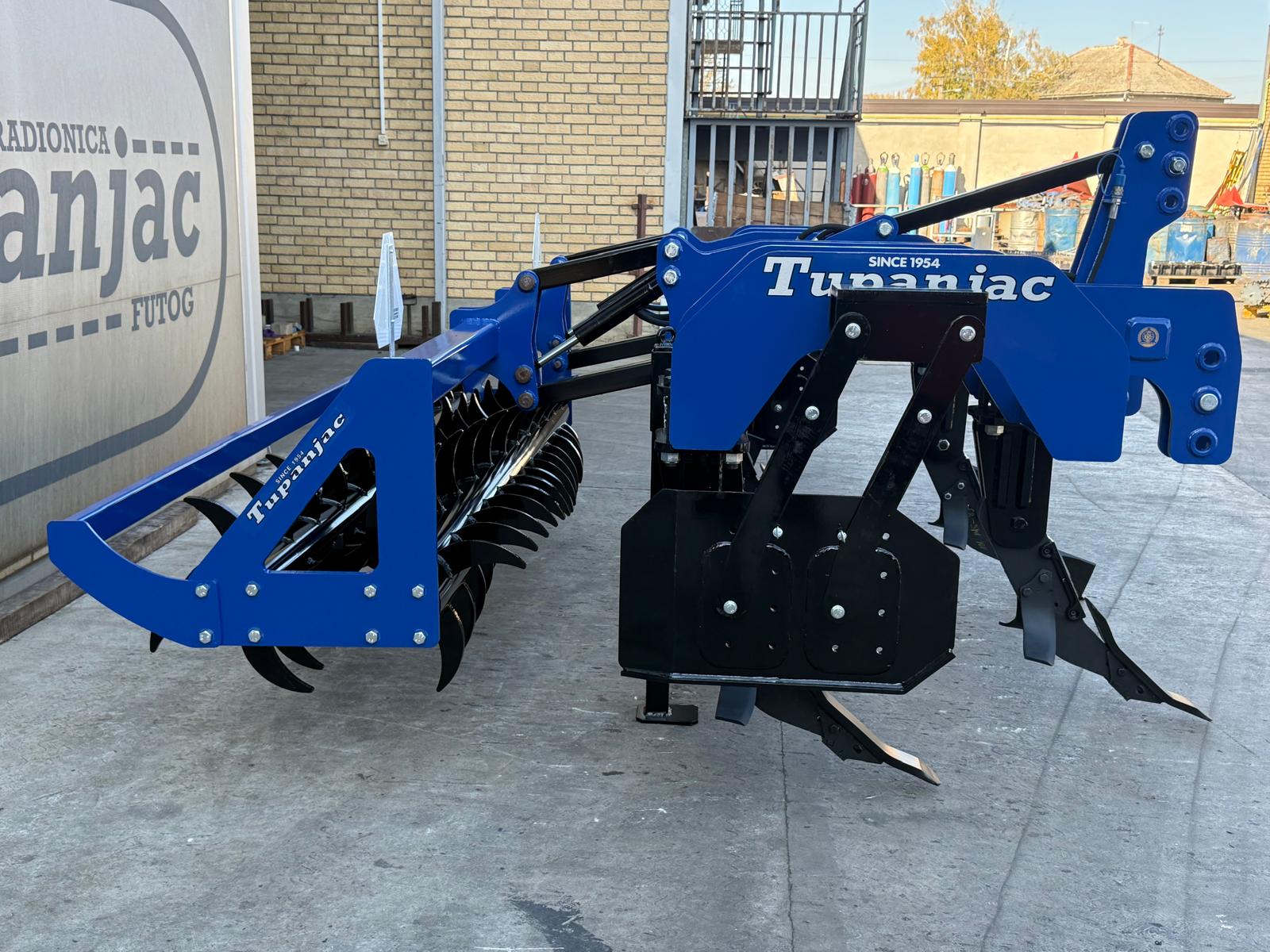
Subsoilers can be equipped with additional components such as drainage balls, which are especially useful in clay soils, as they help create channels for removing excess water.
This further improves soil water management and reduces moisture accumulation in deeper layers, positively affecting plant growth and development.
Thanks to robust construction, optimal arrangement of working elements, and adaptability to various field conditions, Tupanjac subsoilers represent a reliable solution for deep soil cultivation.
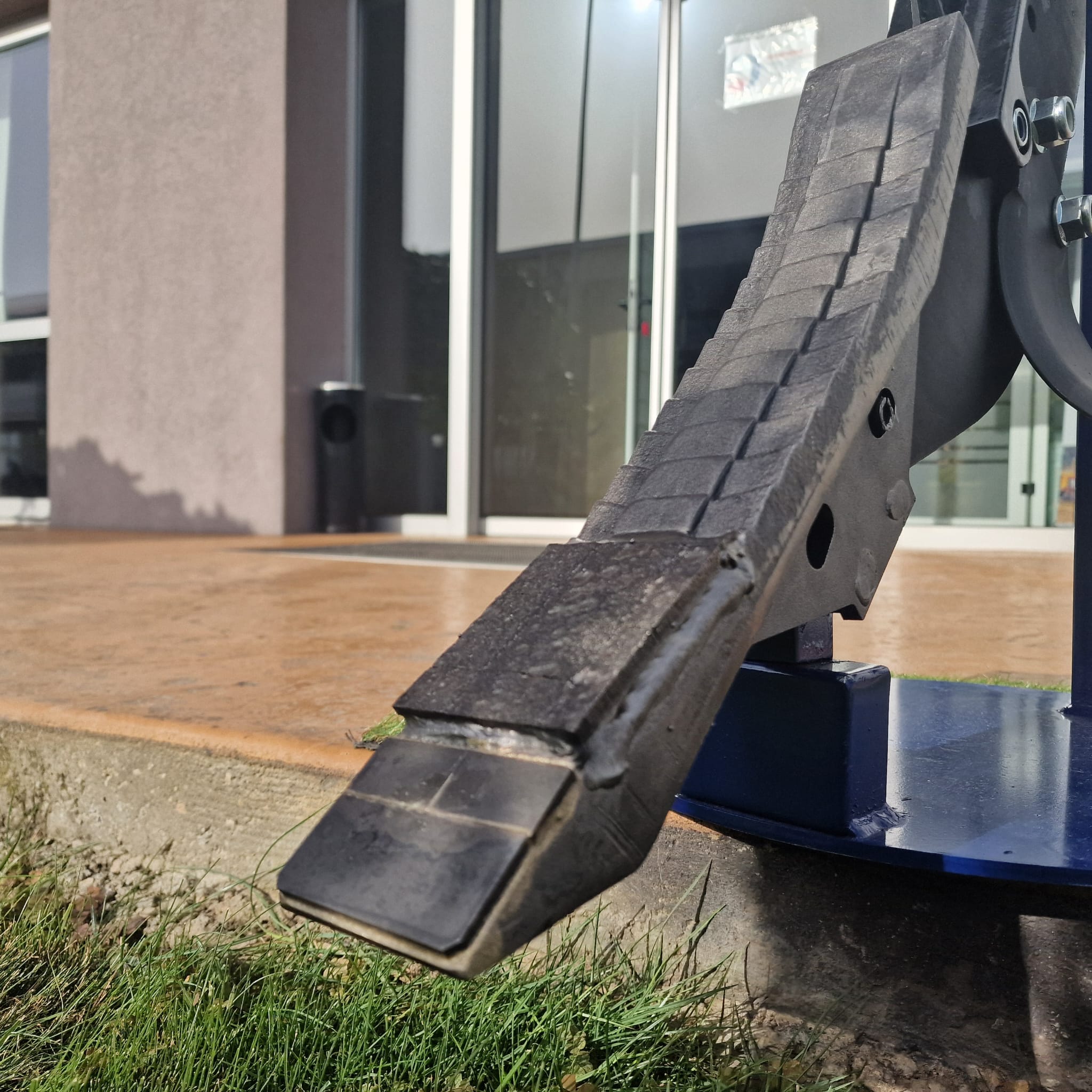
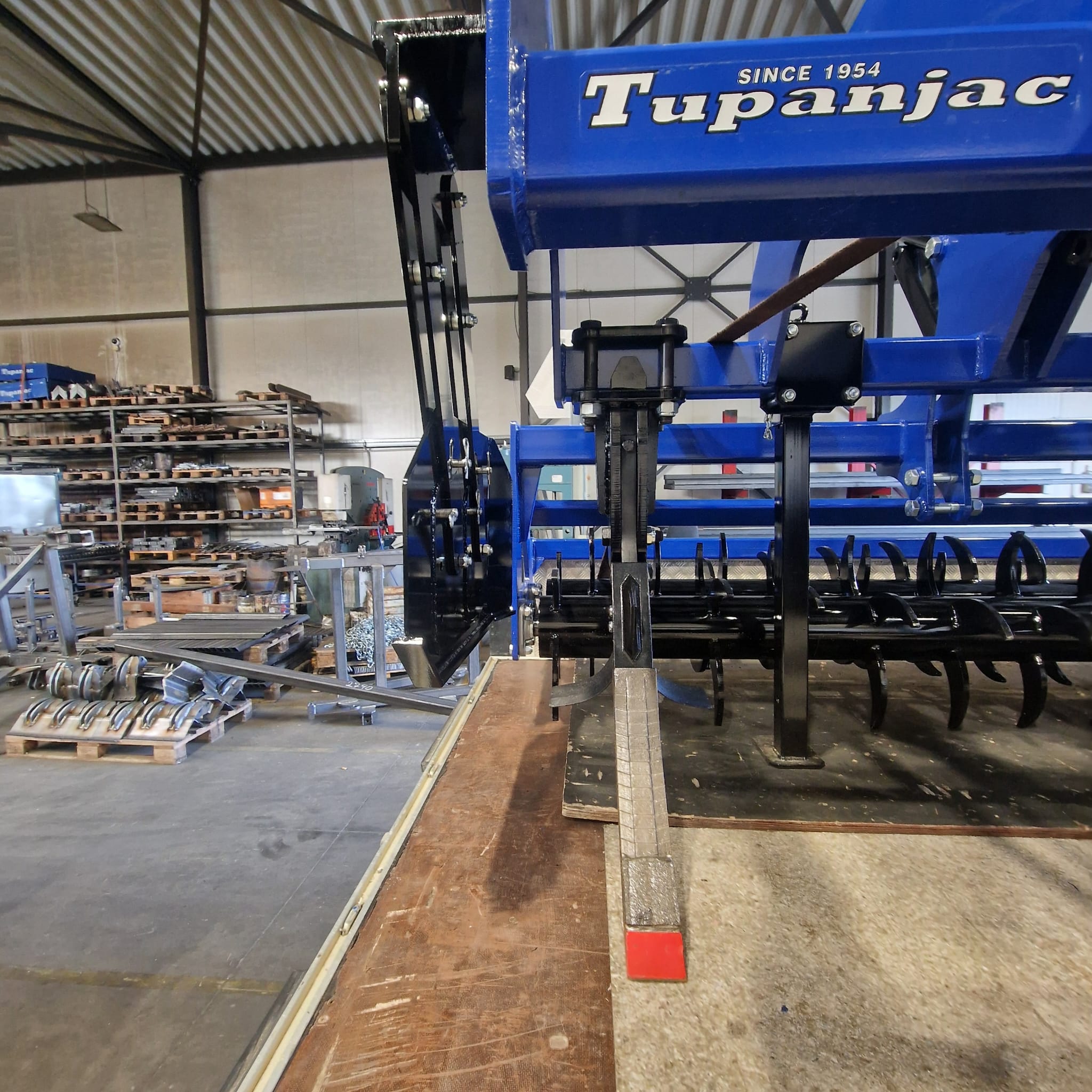
As optional equipment, Tupanjac subsoilers can be fitted with reinforced carbide tips. These are hard metal blades with a hardness of approximately 65 HRC, designed for operation in extremely demanding conditions.
In practice, a 3-meter working width subsoiler equipped with these tips can process up to 2,000 hectares in heavy Banat soils before replacement is required. What makes them stand out is their ability to maintain geometry throughout use, which is crucial for effective subsoiling in demanding conditions.
These results are not accidental, but the outcome of long-term development and engineering of strong and durable working elements.
Additionally, subsoilers can be equipped with side deflectors (soil guides). Their function is to prevent soil from spreading outside the working width, ensuring:
Proper subsoiling ensures long-term soil structure preservation, more stable yields, and healthier crop development in all production conditions.


 SR
SR
 HU
HU
 RO
RO
 SL
SL